Many brands ask for a one-day shoot. Sometimes it is the budget, sometimes the launch date, sometimes the only day the product, the team and the studio are all available. A one-day shoot can work very well. It just has to be planned as one, rather than as a longer shoot squeezed into a day.
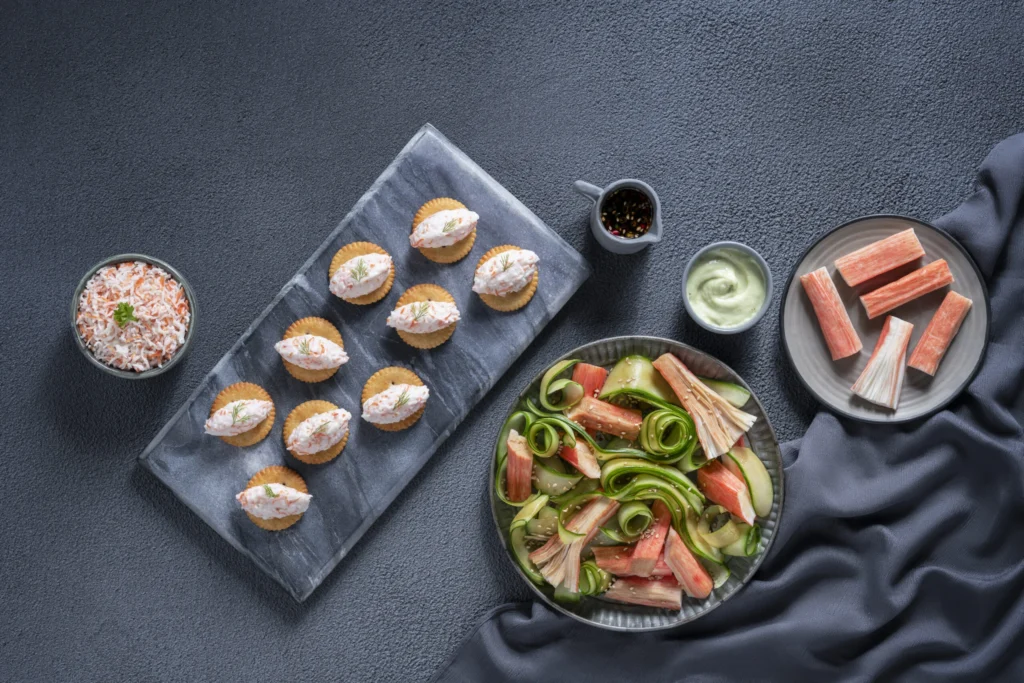
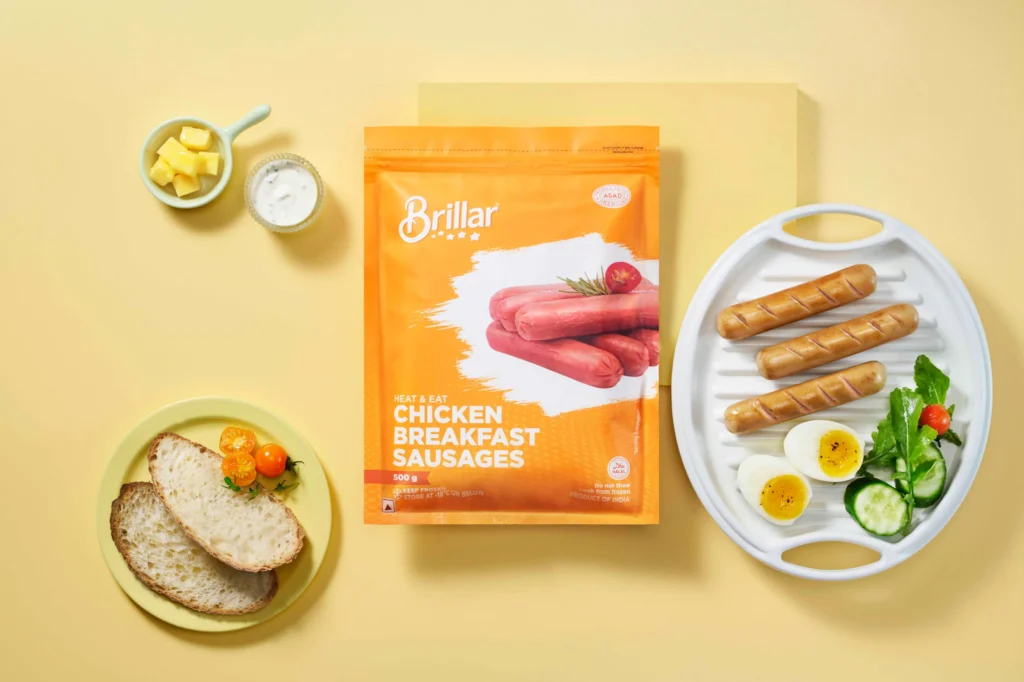
My Brillar food shoot for vehicle branding was a one-day production, and it produced a complete set of images for vehicle wraps and marketing. That project taught me that when you combine the right people and preparation, a single day is enough. This post is about the preparation.
Decide what a “complete” day means
The first step is to agree what success looks like by the end of the day. How many final images? Which products? Which formats: horizontal for web banners, vertical for social, wide for a vehicle or a hoarding? Write it down. If the list is longer than a day can hold, it is better to know that before the shoot than at five in the evening.
Build the shot list around setups, not products
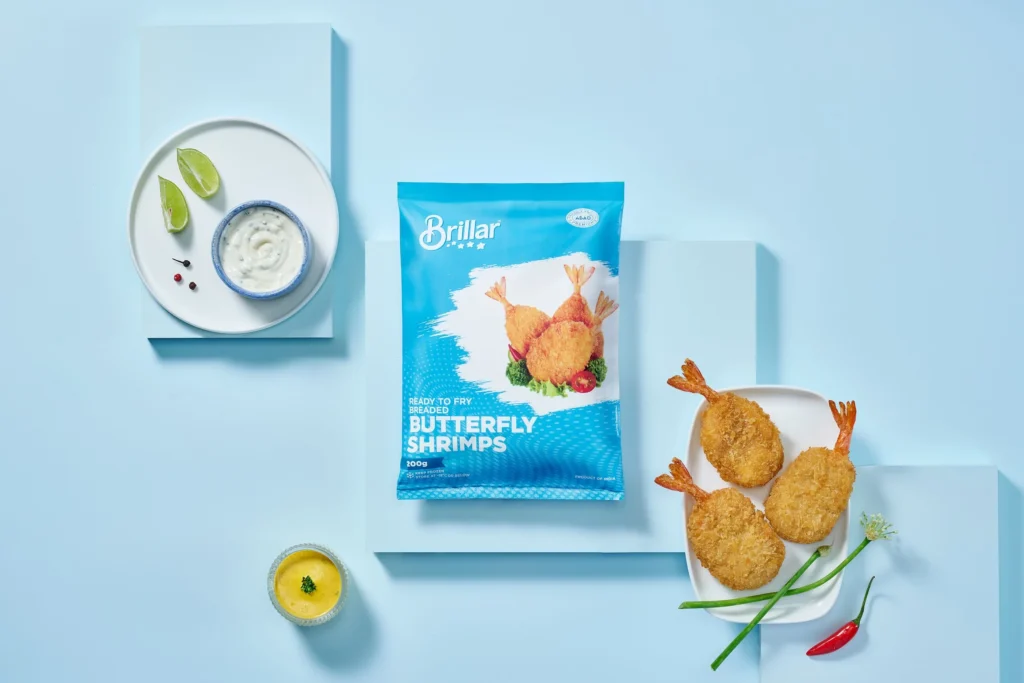
The slowest part of any shoot day is changing a set: new background, new surface, new light. Products and dishes change quickly once the set is ready. So I group the shot list by setup. All the top-down frames on one surface together, all the 45-degree frames together, all the frames on one background colour together. On Brillar, crispy ready-to-fry items were shot slightly top-down and gravies at 45 degrees, which makes it natural to group them.
Pre-production is where the day is won
For Brillar, the day started long before the shoot. We built a detailed moodboard around three ideas: bold composition that could read at a glance on a moving vehicle, authentic texture, and colour harmony with the brand palette. With that agreed in advance, nobody on set had to debate the look.
Before a one-day shoot I want these settled:
- The moodboard and the look, approved by the client.
- The final shot list, grouped by setup, with the hero frames marked.
- Layout requirements, such as where text and logos will sit, so frames are composed with space.
- Props, surfaces and backgrounds bought or sourced.
- Products and ingredients delivered to the studio in enough quantity for retakes.
- Who on the client side approves frames on the day.
Get the right people, and give each one a clear job
A one-day project only works when every person on set knows exactly what they are doing. On Brillar, food stylist Anupama prepared, styled and detailed every frame, and BSR handled post-production afterwards. On a product or food day I would expect a photographer, an assistant, a stylist and, when the volume is high, someone managing products and the shot list.

Order the day
- Start with the most important frames while everyone is fresh and the set is clean.
- Move from the simplest setup to the most complex, or from light backgrounds to dark, so that changes are quick.
- Keep the products that cannot wait, such as food that wilts or melts, close to when they are cooked.
- Plan a lunch break that does not stall the set. The stylist can prepare the next setup while the light is being changed.
- Keep the last hour as a buffer for retakes and any frame the client adds on the day.
Shoot tethered and approve as you go
On Brillar we shot tethered, directly to a monitor, so each frame could be reviewed in real time for colour, composition and print safety. On a one-day shoot this matters even more. The client signs off each hero frame on set, and nobody discovers a problem after the studio is packed.
Plan the post-production before the shoot
If images are going to print, vehicle wraps or large formats, post-production needs to know early. For Brillar, the files had to be high resolution, profiled for CMYK vinyl printing, and some frames were clipped so designers could place them in different layouts. Knowing that in advance changed how we composed and lit on the day.
What a one-day shoot is not good for
A single day suits a clear, focused set of images in one location. It is less suited to a large product range, several locations, a built set that needs time to construct, or a mix of stills and film with different crews. For context, the Amar Foods shoot covering a wide range of products took four days in Porbandar, and the Tanmayi Jewellery forest set took two days in the studio.
You can see more food and product work on the food and product photography page. If you have one day and a lot to show, write to me at mail@naseefgafoor.com or call +91 99955 50062, and we can plan what fits.