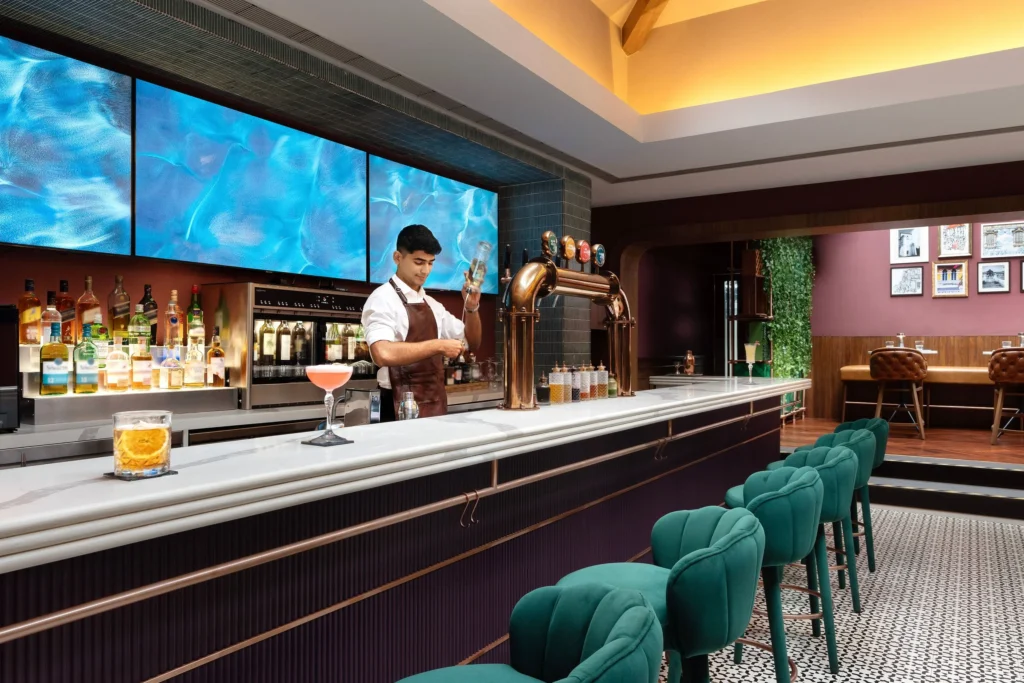
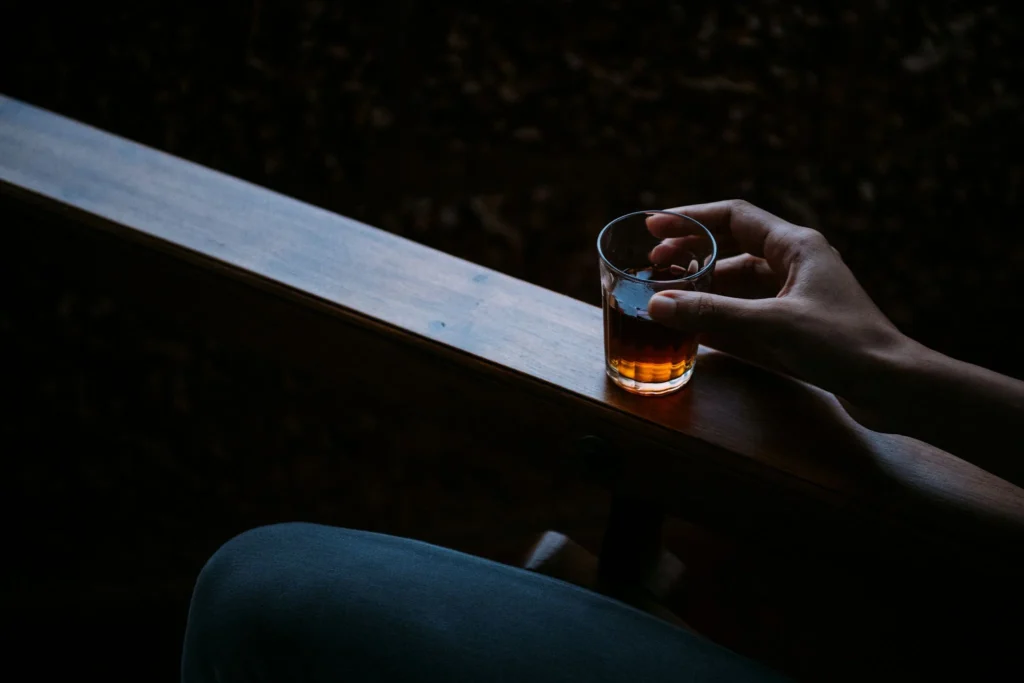
A hotel shoot is decided as much by the property team as by the photographer. The best light and the best camera cannot rescue a room with a creased bedcover, a lawn being mowed in the background, or a restaurant that has not been told the photographer is coming.
When I photographed TAJ Holiday Village Resort & Spa in Goa, the on-ground team worked with us hand in hand, operations and housekeeping included, to prepare rooms, style scenes naturally and make sure the property’s details were right before every frame: fresh flowers, folded linen, candles lit. That cooperation is the difference between a shoot that runs to plan and one that runs out of light.
This checklist is for the general manager, marketing manager or front-office lead who has just booked a shoot and wants it to go well.
Four to six weeks before
Agree the shot list. List every room category, outlet, spa, pool, event space, exterior and guest experience you need. Mark which are essential and which are good to have. I build a shot matrix from this that covers rooms, food and beverage, spa and lifestyle, and tie each frame to where it will be used.
Decide where the images will be used. Website, OTA listings, wedding and MICE brochures, social, print. The answer affects orientation, crop and how much empty space is left for text.
Pick the dates with the light in mind. Avoid dates when the property is full, being renovated or hosting a large event. If the property is weather-sensitive, discuss the season with the photographer. Light and weather change the look of a coastal resort and a hill property in very different ways.
Fix maintenance now. Peeling paint, a chipped tile, a stained sofa or a dead plant will show in high resolution. Most of it costs less to fix than to retouch.
One to two weeks before
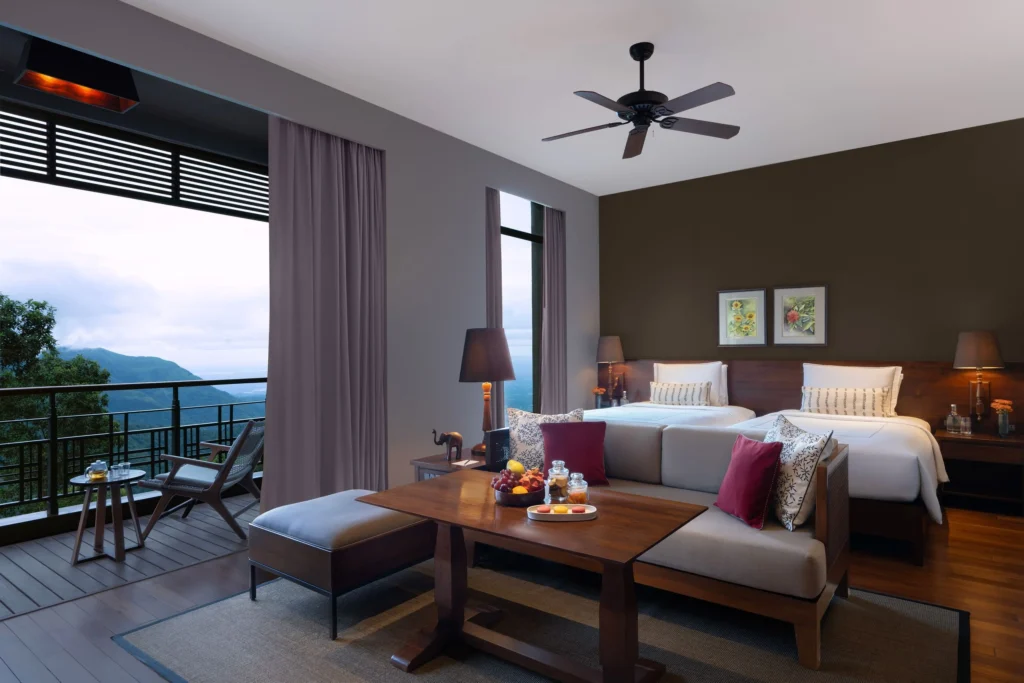
Block the rooms. Hold the best example of each room category, out of inventory for the shoot day, ideally rooms that receive good daylight.
Brief every department. Housekeeping, F&B, the spa, engineering, security and front office should all know the schedule. The shoot will need people from each of them at short notice.
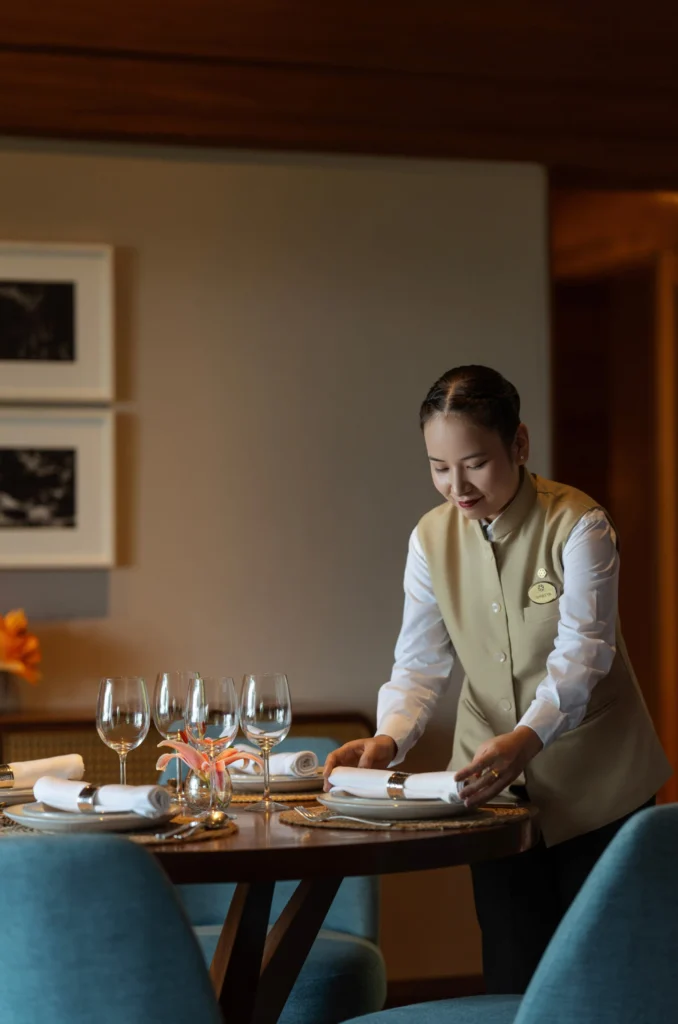
Plan the food. If food and beverage are on the list, the kitchen needs to know which dishes, at what time, and how many of each. Dishes should arrive one at a time, freshly plated, when the set is ready.
Arrange people. If you want guests or staff in frame, decide who, arrange clothing that suits the property, and get written consent from anyone recognisable.
Share brand references. Brand guidelines, colour references and images from your group’s other properties help the photographer keep the new set consistent with the rest of your imagery.
The day before
Walk the property with the photographer. A recce is where the plan gets real. At TAJ Holiday Village we built a light map of the whole property before shooting, noting the best time of day for each scene, from the infinity pool to the private beach deck. That light map set the order of the shoot.
Deep-clean the spaces on the list. Windows, mirrors, glass balustrades, pool tiles and bathroom fittings matter most, because they reflect light and show every mark.
Clear the clutter. Remove extra signage, cables, laminated notices, room-service menus on beds and anything a guest would not want to see.
On the day
Keep one decision-maker with the photographer. Someone who can unlock a room, move a staff member or call the kitchen without waiting for approval.
Style rooms the way a guest would find them, then a little less. Beds made crisply, curtains open, lamps on, minimal props. On the TAJ Holiday Village shoot, props were kept to what a guest would actually find there.
Hold the room. Once a room is styled, nobody should walk through it, sit on the bed or open the curtains until the photographer has finished.
Be ready to change the plan. On that Goa shoot, clouds rolled in mid-shoot and turned hard sunlight into a grey, moody palette. We used it for the exteriors instead of waiting it out. A property team that can reshuffle the order of spaces quickly saves the day when the weather changes.
Protect guest experience. Shooting a live property is normal. At TAJ Holiday Village we shot live spaces while the resort continued guest operations. It works when staff know which areas are being photographed and when, so guests are not surprised.
After the shoot
Agree the selection and review process. Decide who on your side chooses the final images and who signs off the retouching.
Confirm usage rights in writing. Website, OTAs, print, social, PR and travel portals, for how long, and whether your group’s other brands may use the images.
Plan the rollout. Replace the oldest images on the highest-traffic pages first, usually the home page, room pages and OTA listings.
Smaller properties
None of this is only for large resorts. For Poothali Paddyview Homestay, the shoot was four days of photography and short-form video built around natural light and minimal styling, and the same rules applied: know where the content will be used, plan around the light, and keep spaces the way a guest would find them.
Related reading
If you are still choosing a photographer, start with the post on what to ask a hospitality photographer before you hire. For examples, see the TAJ Holiday Village shoot and the TAJ Hotels & Resorts case study. My hotel and resort photography page covers how I work with properties across India.
You can reach me at mail@naseefgafoor.com or +91 99955 50062, or through the contact page.