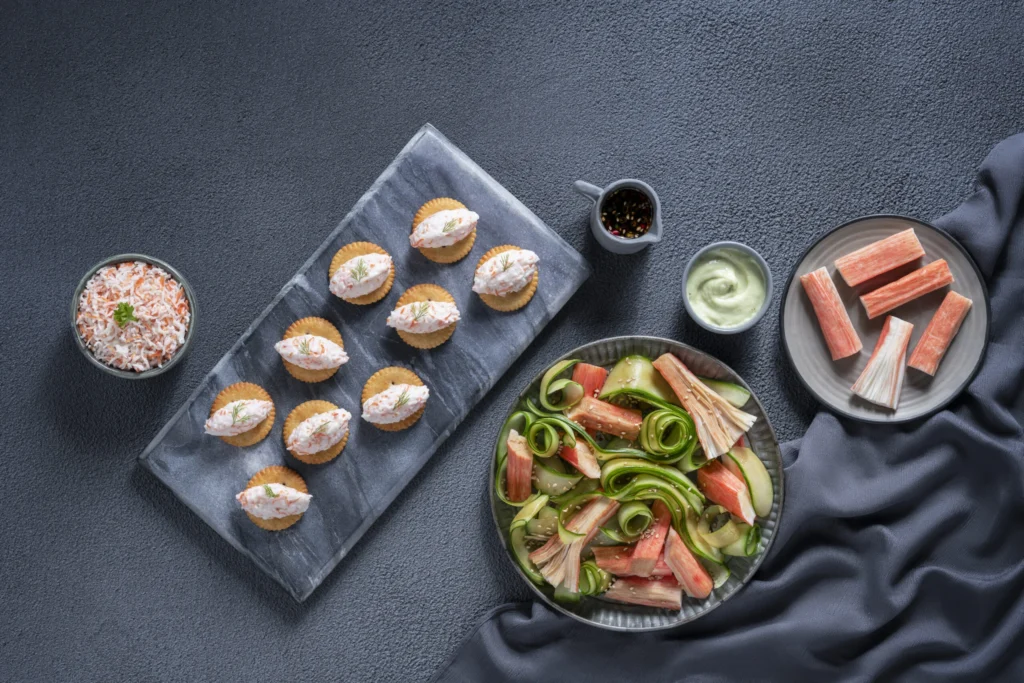
Ready-to-eat and frozen food has a specific problem in photography. The customer is buying something that comes out of a pack, but the photograph has to show what it will be like once it is cooked and on a plate. If the image looks artificial, the customer stops trusting the pack. If it looks nothing like what they make at home, they stop trusting the brand.
I have photographed two ready-to-eat and ready-to-fry ranges that are already public on this site: Brillar, a brand from the ABAD group, and Amar Foods. The briefs were different, but the planning followed the same logic.
1. Decide where the images will live first
Before a moodboard, I need to know where the photographs will be used, because that sets everything else.
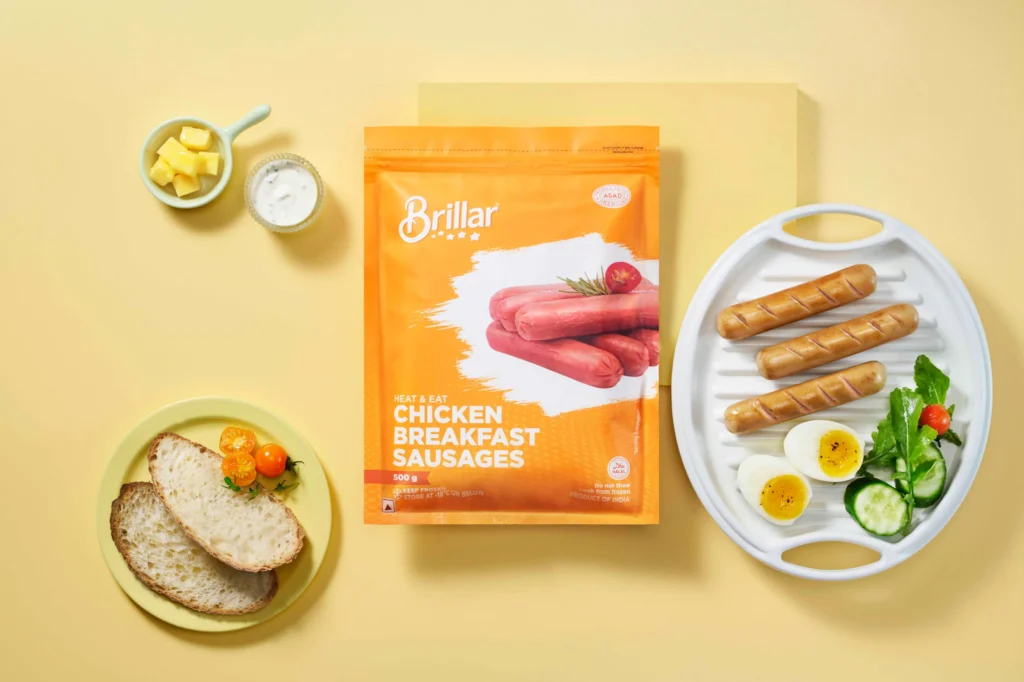
Brillar wanted food images for their delivery vehicles. Vehicle wraps are seen from a distance, at angles, in sunlight, often while moving. That meant bold composition, strong contrast and clear edges, and breathing space around each dish so designers could place logos and text.
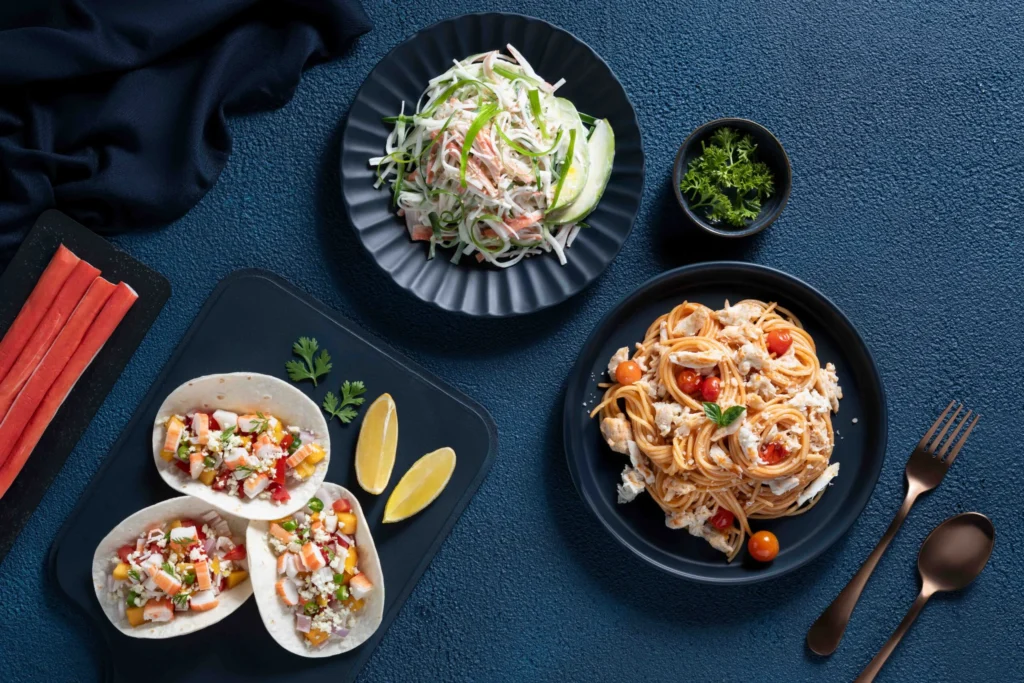
Amar Foods needed images for their digital presence and B2B brochures. A brochure is read up close by a buyer comparing ranges, so texture, consistency across the range and an honest home-cooked feel mattered more than reading from across the street.
Same category of product, two very different photographs.
2. Build a moodboard that matches the pack
A packaged food brand already has a visual language on its packaging. The photographs should complement it, not fight it. For Brillar, whose packaging is modern and bold, we kept props minimal and compositions clean. For Amar Foods, we chose rustic wooden surfaces and soft, diffused light to create a warm, home-cooked feel.
If you are briefing a food photographer, send your packaging, your brand colours and two or three images you like and two or three you do not. That saves a day of guessing.
3. Choose the angle by the food, not by habit
Different foods read best from different heights. On the Brillar shoot, crispy ready-to-fry items were shot slightly top-down so the texture and crumb were visible. Gravies and cooked dishes were shot at around 45 degrees, close to how a diner sees a plate on the table.
4. Have a food stylist, and plan around the clock
Food under studio lights does not stay fresh for long. Fried items lose their gloss, gravies form a skin, and garnish wilts. On Brillar, food stylist Anupama prepped and styled every frame, and we worked in small batches, styling in rotation so each dish was camera-ready when it reached the set. She used real ingredients, fresh spices, herbs and lemon wedges, to give each dish context.
A stylist is not a luxury on a packaged food shoot. Without one, the photographer spends the day fixing food instead of making pictures.
5. Shoot tethered and check as you go
On the Brillar shoot we shot tethered, directly to a monitor, so every frame could be checked for colour, composition and print safety before we moved on. When you are photographing an entire range in a single day, finding a problem the next morning is too late.
6. Plan post-production for the final medium
Print and screen fail in different ways. For Brillar’s vehicle wraps, BSR handled post-production with three requirements: high-resolution output sharp enough to print several metres wide, colour profiled for CMYK vinyl printing, and some frames clipped and isolated so designers could drop them into different layouts. We also ran quick test prints to check that the reds and browns came out accurately on vinyl.
For Amar Foods, retouching was kept natural so the products looked as they do in person, because the images would be used for both consumer and B2B audiences.
7. Be realistic about time
Brillar was a single studio day. That was possible because pre-production was thorough and every frame was planned before the lights went on. Amar Foods was four days of shooting in Porbandar, Gujarat, covering a wide range of vegetarian and non-vegetarian products, after detailed moodboarding sessions. The number of SKUs, the number of finished dishes and the number of uses decide the schedule.
What to send when you ask for a quote
- The full list of products, and which need finished-dish shots versus pack shots
- Where the images will be used: pack, ecommerce, brochure, hoarding, vehicle wrap, social
- Your packaging files and brand guidelines
- Any reference images
- Whether you need a food stylist, props and a kitchen, or will provide them
See the work
The Brillar shoot and the Amar Foods shoot cover both projects in more detail. My food and product photography page explains how I work with food brands across India.
You can reach me at mail@naseefgafoor.com or +91 99955 50062, or through the contact page.