A good advertising shoot is mostly decided before anyone arrives on set. The brief is where that happens. When it is clear, the shoot day is about craft. When it is vague, the shoot day becomes a meeting with lights on.
I work with agencies and brands across India on campaign photography: jewellery, fashion and textiles, food, skincare and other products. These are the things I need in a brief, and why each one changes the photograph.
1. The idea, in one sentence
Every campaign image is arguing for something. Write it down in one line before you write anything else.
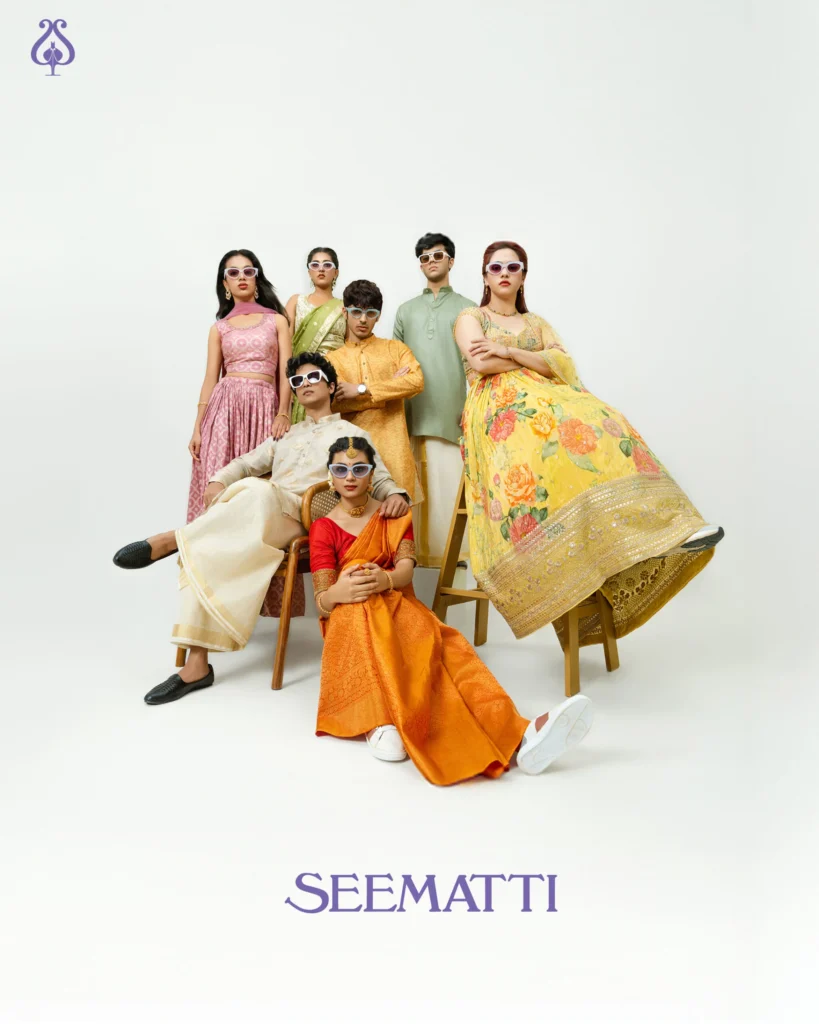
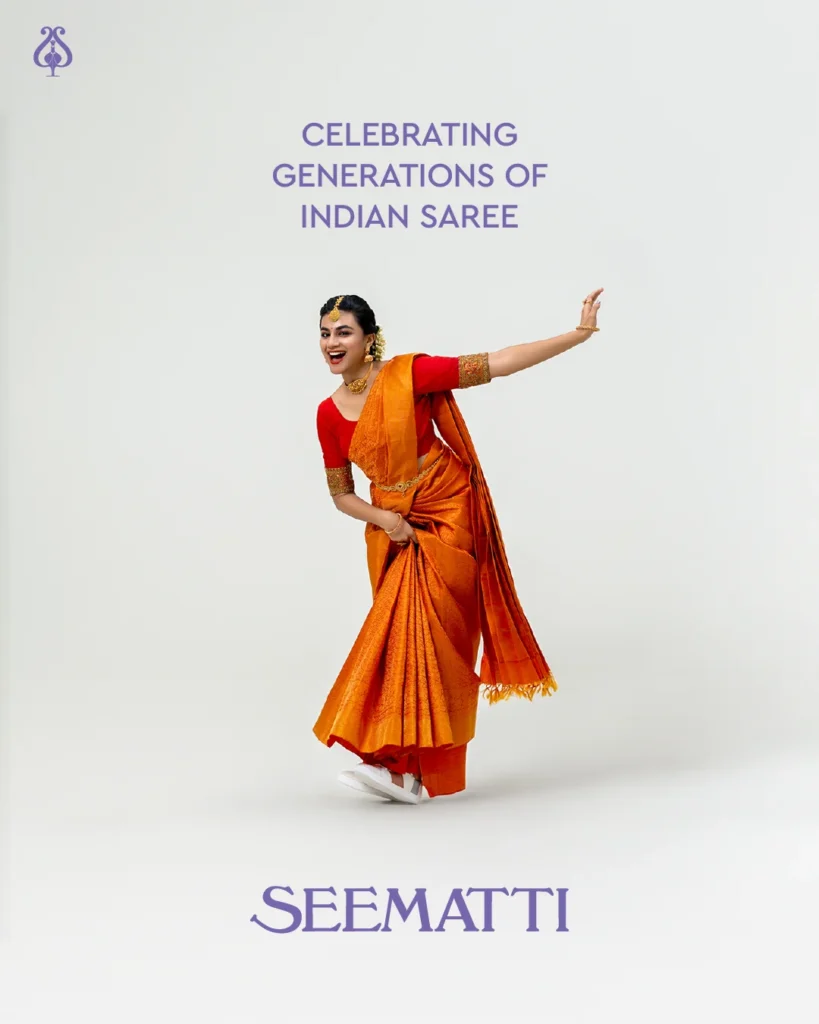
For Seematti’s campaign, with creative direction by BBP India, the idea was “Celebrating Generations of Indian Saree”: women of different ages wearing the saree in their own rhythm, without the stiffness of staged tradition. That one line decided casting, styling, direction and how much we let the moments run. It is why we encouraged the women to simply be present instead of holding choreographed poses.
If the idea cannot be written in one sentence, the photograph will not be able to say it either.
2. The layout, or at least the space
An advertising image almost always shares the frame with words: a headline, a logo, a price, an offer. Send the layout or key visual if the art director has one. If not, tell me where the copy will sit and in what formats the image will run.
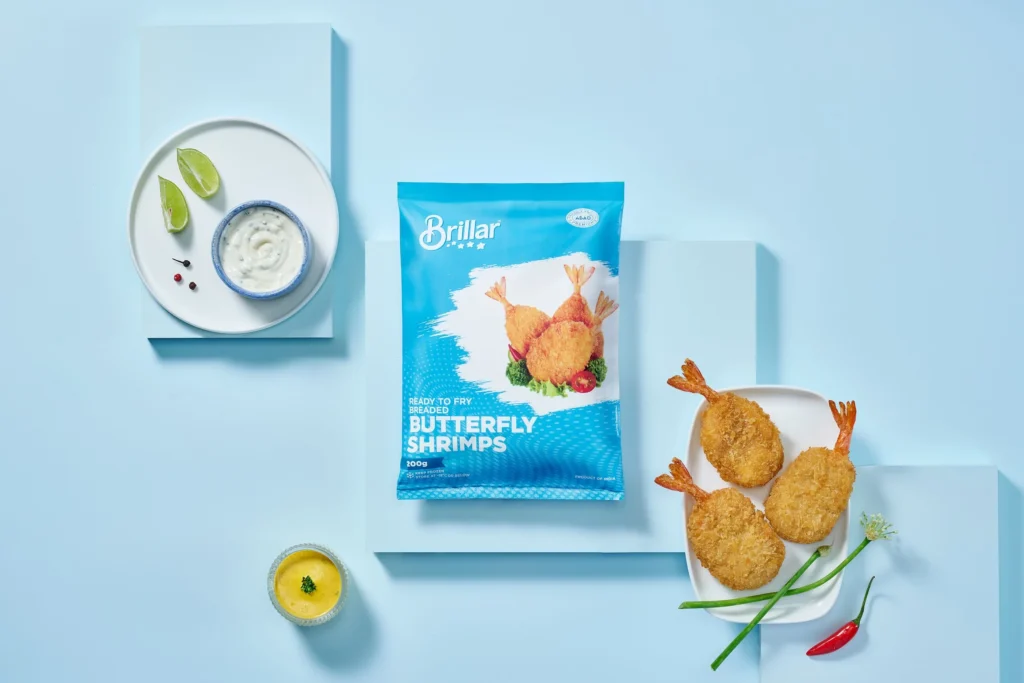
On the Brillar food shoot, the images were for vehicle branding, so every frame was composed with breathing space around the food for logos, text and wrap elements. That decision was made at the brief, not in post-production.
3. Where it will run, and at what size
A hoarding, a counter display, a print ad, a website banner and a 9:16 story are different photographs. List every format and the largest size the image will be reproduced at. That affects how the image is lit, shot and retouched.
Tanmayi Jewellery’s campaign ran on OOH billboards, in-store displays and in print. Knowing that from the start meant the detail in the gold and diamonds had to hold at billboard scale and up close.
4. The product, and what it must not look like
Tell the photographer what the product is, what is special about it, and what would misrepresent it. For skincare, jewellery and food, accuracy matters: the customer will compare the photograph with the thing they receive.
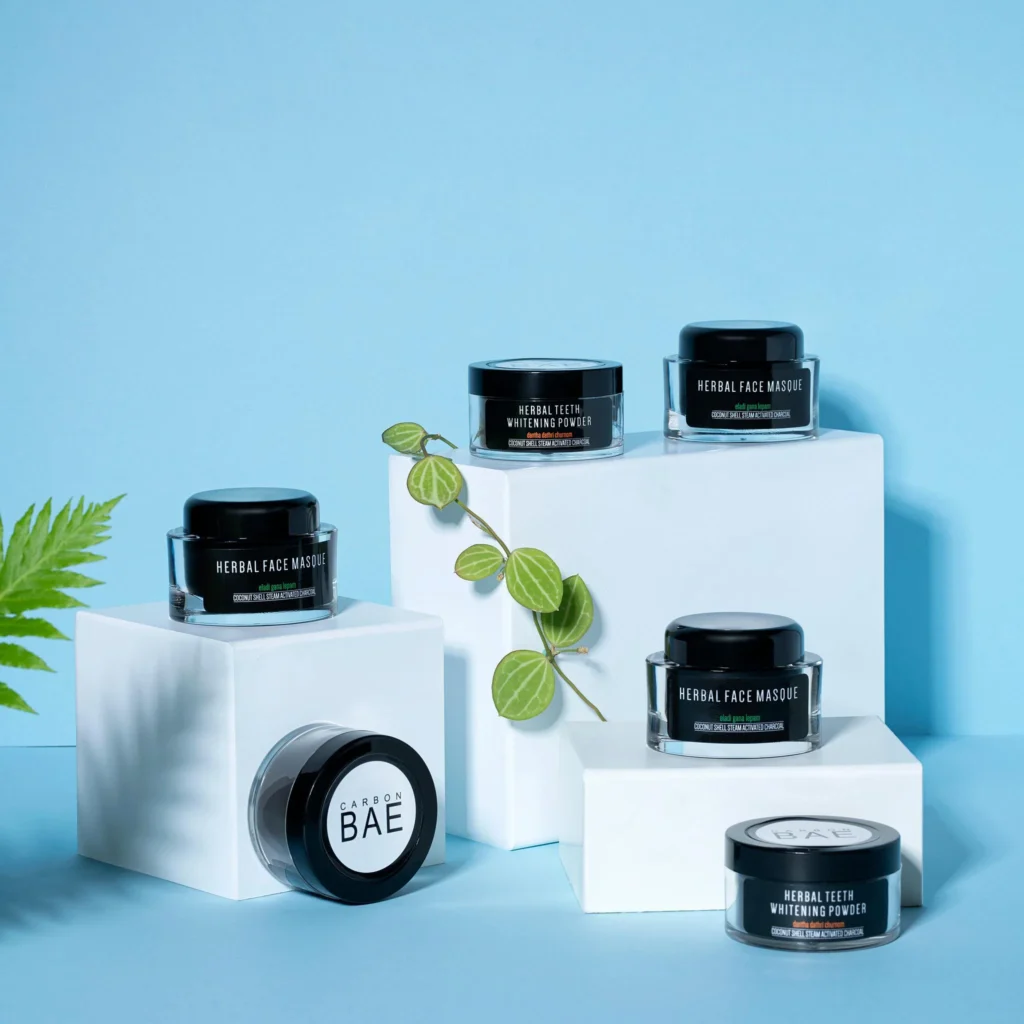
For Carbon BAE, an Indian skincare brand built around activated charcoal and natural ingredients, the brief was clean, minimal and bold imagery with no distractions. We moved away from dark, moody setups to pastel, minimal backgrounds and used hard light for sharp shadows and crisp edges, so the packaging, texture and material quality read clearly. Leaves and other natural elements were added only as cues to the brand’s ingredient story. Each of those choices came from understanding the product and its positioning.
5. Mandatories
List what must appear and how: logo placement, pack angle, product variants, colour references (Pantone, if you have them), legal lines that need clear space, and any brand rules on people, skin or styling. Mandatories discovered on set cost time. Mandatories discovered after the shoot cost a reshoot.
6. References, both good and bad
Send three images that are close to what you want and three that are not. Explain what you like or dislike in each. “Warm” and “premium” mean different things to different people; a reference settles it.
7. Set, location and build
Say whether you expect a studio, a location or a built set, and what the budget allows. Some ideas need a set. For Tanmayi, we built a nature-inspired set in the studio in Kochi, with plants, moss, vines and a handcrafted waterfall, over two days. That had to be planned and costed in pre-production.
8. People, casting and releases
If the campaign has people in it, specify age range, look, number of people and whether you will cast or want the photographer’s team to. Model releases and usage terms should be agreed before the shoot day, not after.
9. Usage and duration
State the media, territory and duration the images will be used for. Usage is a large part of how advertising photography is priced, and agreeing it at the brief avoids renegotiation later.
10. Who approves, and when
Name the people who can approve frames on set and who signs off the final retouch. On agency jobs that usually means the art director on set and the brand team for final approval. If the decision-maker is not on set, agree how frames will be shared for approval during the day.
A one-page brief template
- Campaign idea (one sentence)
- Key line or headline, if written
- Layout or key visual, and copy position
- Formats and largest reproduction size
- Product details and what to avoid
- Mandatories
- References (good and bad)
- Studio, location or set
- People and casting
- Usage: media, territory, duration
- Approvals on set and final sign-off
- Deadline for final files
Related reading
For what advertising photography is meant to do in the first place, read the role of photography in advertising. For campaigns that started from briefs like these, see Seematti, Carbon BAE and Tanmayi Jewellery. My advertising photography page covers how I work with agencies and brands across India.
If you have a campaign to brief, send it to mail@naseefgafoor.com or call +91 99955 50062, or use the contact page.